
Redundancy labels are shorthand, not guarantees. What matters is which failures the configuration survives — and which single points remain outside it.
N+1 and 2N are useful shorthand and dangerous labels. Useful, because they compress a design philosophy into three characters. Dangerous, because a label on the generation plant says nothing about the system around it.
What the labels mean
N is the capacity the load requires. N+1 provides one unit more than that, so any single unit can fail — or be taken out for maintenance — without losing the load. 2N duplicates the entire capacity in two independent systems, so a whole side can be lost. The step from N+1 to 2N roughly doubles the generation cost, which is why the honest question is not which is better but which failures the operation actually needs to survive.
Maintenance is the everyday case
Redundancy is usually discussed as failure cover, but its daily value is concurrent maintainability: the ability to service a unit while the plant retains full cover. An N+1 plant under maintenance is an N plant. If the maintenance window is long and the operation is genuinely critical, that residual risk is part of the design decision, not a footnote.
The single points are usually elsewhere
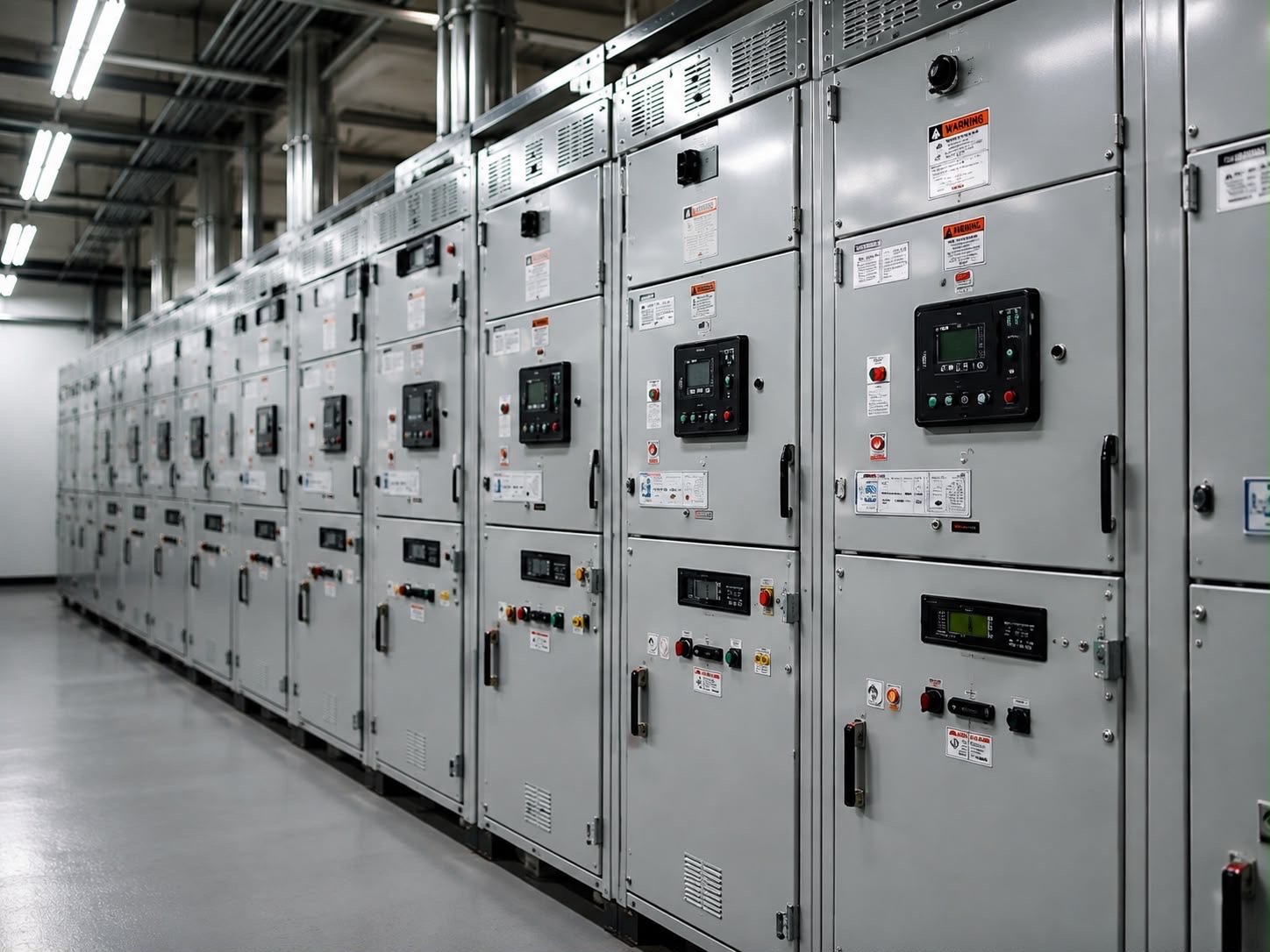
A 2N generation plant feeding a single switchboard, a shared fuel system, one control system, or a single cable route is not a 2N system — it is an expensive N system with a good brochure. Redundancy analysis has to follow the whole path: fuel, controls, distribution, cooling, and the physical routes cables actually take. The discipline of walking every path and asking what happens if this one thing fails is worth more than any label.
Decide what must survive, trace every path that supports it, and buy the redundancy that covers those paths. That is the entire method.